intex hot tub manual
Intex Hot Tub Manual: A Comprehensive Guide
This manual provides essential guidance for Intex hot tub owners, covering setup, operation, maintenance, troubleshooting, and safety – ensuring a relaxing and enjoyable experience.
Understanding Your Intex Hot Tub
Your Intex hot tub is designed for relaxation and hydrotherapy, offering a convenient and affordable way to enjoy the benefits of a spa at home. This section will familiarize you with the core features and capabilities of your specific model.
Intex hot tubs utilize rapid heating systems and powerful jet pumps to deliver a comfortable and invigorating experience. Understanding the different components – from the control panel to the filter system – is crucial for optimal performance and longevity.
Before initial use, carefully review the safety precautions and warnings outlined in this manual to ensure a safe and enjoyable soaking experience for all users; Proper understanding leads to responsible operation.
Unboxing and Initial Setup
Carefully unpack your Intex hot tub and verify all components are present, referencing the parts list included in the packaging. Choose a level, stable surface capable of supporting the filled tub’s weight. Avoid hard surfaces that could damage the liner.
Inflate the hot tub using the included pump, ensuring even pressure distribution. Position the control panel and connect all necessary hoses and fittings according to the diagrams. Before filling, inspect for any leaks or damage.
Once set up, allow the tub to sit for a few hours to fully expand before adding water and initiating the heating process. Proper initial setup is vital for optimal function.
Hot Tub Components and Identification
Your Intex hot tub consists of several key components: the inflatable tub liner, control panel, filter housing with filter cartridge, heater unit, and jet nozzles. The control panel manages temperature, jet function, and other settings.
The filter cartridge removes impurities, maintaining water clarity. Jet nozzles provide a massaging effect. Familiarize yourself with the location of the drain plug for water removal.
Understanding each component’s function and location is crucial for proper operation and maintenance. Refer to the detailed diagrams in this manual for visual identification of each part within your Intex hot tub system.
Electrical Requirements and Safety
Intex hot tubs require a dedicated, grounded circuit to prevent electrical hazards. Verify your electrical system meets the specified voltage and amperage requirements outlined in this manual. Never use extension cords or adapters.
Always disconnect the power before performing any maintenance or troubleshooting. Ensure the hot tub is properly grounded to minimize shock risk. Avoid operating the tub with a damaged power cord.
Professional installation by a qualified electrician is highly recommended. Prioritize electrical safety to protect yourself and prevent damage to the hot tub’s components.
Water Chemistry Basics
Maintaining proper water chemistry is crucial for a safe and enjoyable hot tub experience. Regularly test and balance pH, alkalinity, and sanitizer levels. Ideal pH should be between 7.2 and 7.8 to prevent irritation and corrosion.
Sanitization, using chlorine or bromine, eliminates bacteria and algae. Chlorine is a cost-effective option, while bromine is gentler and more stable at higher temperatures.
Consistent water testing and adjustment are essential for clear, clean, and healthy water. Refer to the detailed sections on testing, pH balancing, and sanitization methods for specific instructions.
Testing Your Water
Regular water testing is fundamental to maintaining a safe and sanitary hot tub environment. Use a reliable test kit or strips to measure pH, total alkalinity, and sanitizer levels at least twice weekly, and after each use or rainfall.
Accurate testing ensures the water remains balanced, preventing corrosion, scaling, and irritation. Record your results to track trends and adjust chemical levels accordingly.
Follow the instructions provided with your test kit carefully for precise readings. Consistent monitoring allows for proactive adjustments, ensuring optimal water quality and a pleasurable soaking experience.
Balancing pH Levels
Maintaining the correct pH level (7.2-7.8) is crucial for sanitizer effectiveness and bather comfort. If pH is too low (acidic), it can corrode hot tub components and irritate skin and eyes. Conversely, high pH (alkaline) reduces sanitizer efficiency and causes scaling.

To raise pH, use a pH increaser (sodium carbonate). To lower pH, use a pH reducer (sodium bisulfate). Always add chemicals gradually, following product instructions, and retest after several hours.
Proper pH balance ensures optimal water chemistry, protecting your investment and providing a safe, enjoyable hot tub experience.
Sanitization Methods (Chlorine, Bromine)
Effective sanitization is vital to eliminate bacteria and maintain water hygiene. Chlorine is a popular, cost-effective option, available in granular, tablet, or liquid form. Bromine offers a milder scent and is more stable at higher temperatures, often preferred for smaller hot tubs.
Maintain chlorine levels between 1-3 ppm and bromine levels between 3-5 ppm, regularly testing with a test kit. Always follow product instructions for dosage and application.
Shocking the hot tub weekly helps oxidize contaminants and maintain water clarity, regardless of the chosen sanitizer.

Operating Your Intex Hot Tub
Before initial use, ensure proper setup and water chemistry balance. Familiarize yourself with the control panel, which manages temperature, jet functions, and other settings. Begin by setting your desired water temperature, typically between 100-104°F (38-40°C), allowing sufficient time for heating.
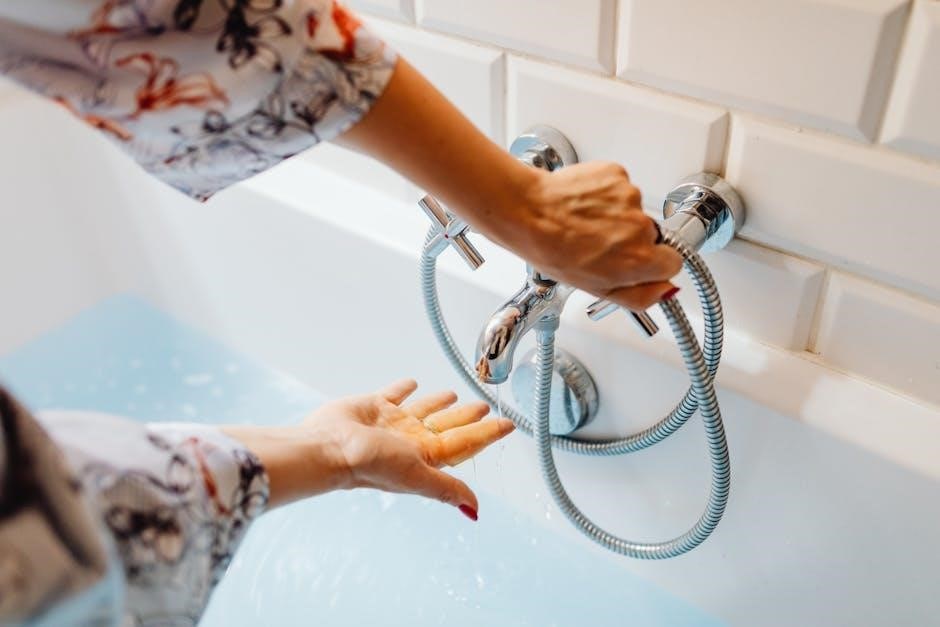
Activate the jet system for a soothing massage experience, adjusting the intensity to your preference. Regularly monitor water temperature and chemistry levels during operation. Always supervise hot tub use, especially with children.
Control Panel Overview
The Intex hot tub control panel is your central hub for operation; It typically features digital displays for temperature, time, and error codes. Buttons allow for temperature adjustment (up/down), jet control activation, and light operation. Some models include programmable timers for automated heating and filtration cycles.
Understand the function of each button before use. The panel may also display alerts for low water levels or filter reminders. Refer to your specific model’s diagram for precise button locations and functions, ensuring optimal control and a safe, enjoyable experience.
Temperature Adjustment
Adjusting the water temperature is simple using the control panel’s up and down buttons. The display shows the current water temperature, and pressing the buttons incrementally increases or decreases it. Most Intex hot tubs allow temperatures to be set between 68°F (20°C) and 104°F (40°C).
Allow sufficient time for the water to reach the desired temperature after adjustment – this can take several hours. Avoid rapid temperature changes, as they can strain the heating system. Always prioritize safety and consider the comfort levels of all users when setting the temperature.
Jet Control and Massage Settings
Intex hot tubs feature adjustable jet systems for a personalized massage experience. The control panel typically includes buttons to activate or deactivate the jets, and some models offer variable speed settings. Experiment with different jet strengths to find your preferred level of intensity.
Direct the jets towards specific muscle groups for targeted relief. Remember that prolonged use of high-intensity jets may not be suitable for everyone. Always listen to your body and adjust the settings accordingly for optimal comfort and relaxation. Enjoy the therapeutic benefits!
Maintenance and Cleaning
Regular maintenance is crucial for a clean and safe Intex hot tub experience. This includes frequent filter cleaning – typically every few days with a filter cleaning solution – and replacement as recommended by the manufacturer (usually every 3-6 months). The hot tub cover should be cleaned regularly to prevent mildew and maintain its protective qualities.
Water draining and refilling should occur every 3-6 months, depending on usage. Consistent water chemistry balancing, detailed in a later section, is also vital. Proper upkeep extends the life of your hot tub and ensures optimal performance.
Filter Cleaning and Replacement
Maintaining a clean filter is paramount for clear and sanitary hot tub water. Regularly, every few days, remove the filter cartridge and rinse thoroughly with a garden hose, using a filter cleaning solution periodically to remove oils and debris. Inspect the filter for damage – tears or fraying indicate a need for replacement.
Intex recommends replacing the filter cartridge every 3-6 months, depending on usage frequency. A clogged or damaged filter reduces water flow and strains the pump. Proper filter maintenance ensures efficient heating and optimal water circulation, contributing to a more enjoyable hot tub experience.
Hot Tub Cover Care
Your Intex hot tub cover is crucial for insulation, safety, and cleanliness. Regularly clean the cover with mild soap and water to prevent buildup of dirt, oils, and algae. Avoid harsh chemicals or abrasive cleaners that can damage the vinyl. Inspect the cover periodically for cracks, tears, or waterlogging.
To prolong its life, treat the cover with a UV protectant several times a year. Proper cover care minimizes heat loss, reduces chemical consumption, and safeguards against accidental falls. A well-maintained cover contributes significantly to the longevity and enjoyment of your hot tub.
Water Draining and Refilling
Draining your Intex hot tub is necessary for thorough cleaning and maintenance. Utilize the drain valve, connecting a hose to direct water away from your home’s foundation and electrical components. Ensure the power is OFF before draining. After draining, clean the hot tub shell with a non-abrasive cleaner.
When refilling, use a pre-filter to remove impurities from the water source. Balance the water chemistry immediately after filling, testing and adjusting pH, alkalinity, and sanitizer levels. Following these steps ensures a clean, safe, and enjoyable hot tub experience.
Troubleshooting Common Issues
Encountering issues with your Intex hot tub is common; this section offers solutions. Error codes displayed on the control panel indicate specific problems – consult the manual for their meanings. Heating problems often stem from a faulty heater or insufficient power. Pump and jet malfunctions may require filter cleaning or pump priming.
If issues persist, check the power supply, GFCI, and ensure proper water levels. Regularly inspecting components and addressing problems promptly prevents further damage and extends your hot tub’s lifespan. Always prioritize safety when troubleshooting.
Error Codes and Their Meanings

Intex hot tubs utilize error codes to diagnose operational issues. These codes, displayed on the control panel, pinpoint the source of the problem, simplifying troubleshooting. Common codes include E01 (heater error), E02 (low water level), E03 (sensor error), and E04 (overheat protection).
Consult your specific model’s manual for a complete list and detailed explanations of each code. Understanding these codes empowers you to address minor issues independently, potentially avoiding service calls. Ignoring error codes can lead to more significant damage, so prompt attention is crucial.

Heating Problems
If your Intex hot tub isn’t heating, several factors could be at play. First, verify the unit is receiving power and the heater is enabled on the control panel. Check for error codes (like E01) indicating a heater malfunction or sensor issue. A low water level (E02) will also prevent heating.
Ensure the filter is clean, as a clogged filter restricts water flow and impacts heating efficiency. Inspect the jet pump; a failing pump can affect temperature regulation. If problems persist, consult a qualified technician to diagnose and repair potential electrical or component failures.
Pump and Jet Malfunctions
Experiencing issues with your Intex hot tub’s pump or jets? First, check the filter for clogs – a common cause of reduced jet pressure. Verify the pump is receiving power and isn’t tripped on a GFCI outlet. Air locks can also hinder pump operation; try resetting the system by briefly turning it off and on.

If jets are weak or non-functional, inspect jet nozzles for blockages. A failing pump may produce unusual noises or fail to circulate water effectively. For persistent problems, professional repair or pump replacement might be necessary to restore full functionality.

Winterizing Your Intex Hot Tub
Preparing your Intex hot tub for colder months is crucial to prevent damage. Begin by thoroughly draining all water from the tub, plumbing lines, and heater. Clean the filter meticulously and store it indoors. Use a wet/dry vacuum to remove any remaining water from the jets and pipes.
Disconnect all electrical connections and store the control panel safely. A winterizing chemical solution can be added before draining to protect the plumbing. Cover the tub securely with a winter cover designed for Intex models, ensuring a snug fit to shield against the elements.
Warranty Information
Intex offers a limited warranty on its hot tub products, protecting against manufacturing defects. The standard warranty typically covers the hot tub shell, heater, and pump for a specified period, often one year from the date of purchase.
Warranty coverage requires proof of purchase and adherence to proper operating and maintenance guidelines outlined in this manual; Damage resulting from misuse, improper water chemistry, or unauthorized repairs is generally excluded.

For detailed warranty terms and claim procedures, please visit the official Intex website or contact customer support.
Intex Customer Support Contact Details
For assistance with your Intex hot tub, several support channels are available. You can visit the official Intex website for a comprehensive FAQ section, troubleshooting guides, and downloadable manuals.
Direct customer support is accessible via phone during business hours; check the website for current contact numbers specific to your region. Email support is also offered, providing a convenient way to submit inquiries and receive detailed responses.
Additionally, Intex maintains an active presence on social media platforms, offering quick assistance and updates.
Safety Precautions and Warnings
Prioritize safety when enjoying your Intex hot tub. Always supervise children closely and never leave them unattended near the water. Be aware of electrical safety – ensure proper grounding and avoid using damaged cords.
Handle water chemistry carefully, following product instructions and avoiding mixing chemicals. Limit hot tub use to recommended durations and temperatures to prevent overheating.
Individuals with medical conditions should consult a physician before use. Never operate the hot tub while under the influence of alcohol or drugs, and always disconnect power before maintenance.
Electrical Safety
Maintaining electrical safety is paramount with your Intex hot tub. Always ensure the hot tub is properly grounded to prevent electric shock. Use a dedicated Ground Fault Circuit Interrupter (GFCI) outlet that meets local electrical codes.
Never operate the hot tub with a damaged power cord or plug; replace them immediately. Avoid extending cords unnecessarily, and if required, use heavy-duty outdoor-rated extension cords.
Keep the electrical components dry and never attempt to repair them yourself – contact a qualified electrician for any electrical issues. Disconnect power before performing any maintenance.
Chemical Handling
Proper chemical handling is crucial for safe and effective hot tub maintenance. Always read and follow the manufacturer’s instructions on all chemical products. Wear protective gloves and eyewear when handling chemicals to avoid skin and eye irritation.
Never mix different chemicals together, as this can create hazardous fumes or reactions. Add chemicals to water, never water to chemicals. Store chemicals in a cool, dry, well-ventilated area, out of reach of children and pets.
Dispose of empty chemical containers responsibly, following local regulations. Rinse thoroughly after handling and avoid breathing in chemical vapors.